The Hidden Cost of Incorrect Tariff Classification in High-Volume Categories

Skill Dynamics
June 3, 2026
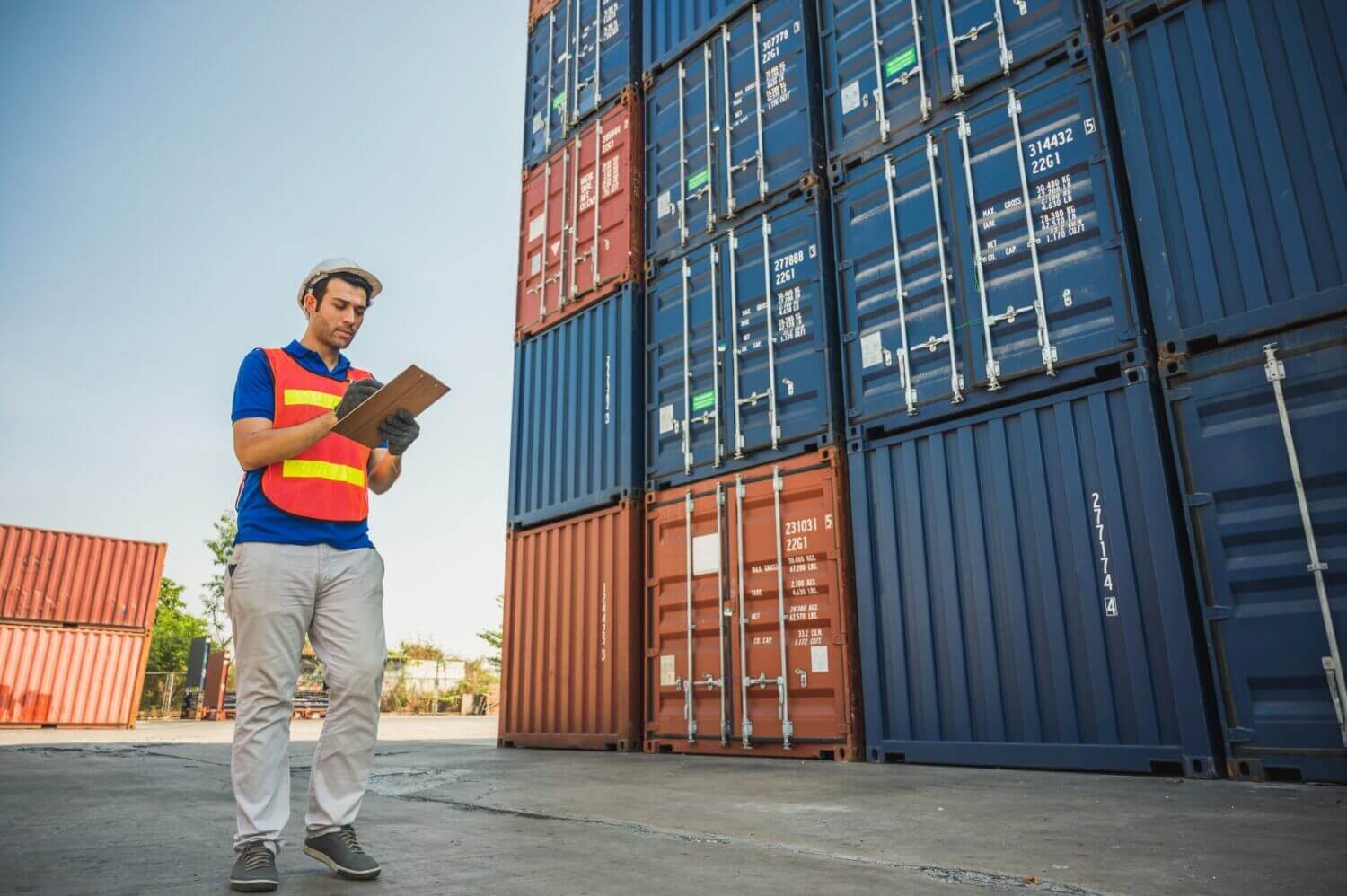
Tariff classification errors don't just create compliance issues, but can quietly drain margin and introduce risk at a scale most organizations underestimate.
As product portfolios grow, categories become more complex, and teams operate across regions, maintaining accurate tariff classification becomes harder to control. When that control slips, the impact shows up in places that matter most: cost, speed, and performance.
This is where many organizations get caught off guard, as classification is often treated as a back-office task, but in reality, it plays a direct role in duty spend, customs clearance timelines, and overall supply chain efficiency.
To see why the impact runs deeper than expected, it helps to first understand how tariff classification actually works in practice and where it starts to break down at scale.
Key Takeaways
- Tariff classification errors don't stay isolated, they scale quickly across high-volume categories, creating ongoing cost leakage.
- Even small HS code classification errors can significantly impact margins when repeated across thousands of transactions.
- The cost of misclassified goods goes beyond duties, affecting delays, planning accuracy, and overall supply chain performance.
- Most errors are systemic, driven by gaps in standardization, alignment, and role-specific knowledge.
- High-performing organizations treat classification as a business-critical capability, not a back-office task.
What Is Tariff Classification and Why Does It Matter?
Tariff classification is the process of assigning a standardized code to goods in international trade to determine duties, taxes, and regulatory requirements. It directly influences how much you pay at the border, how quickly goods move through customs, and whether your organization stays compliant.
What is tariff classification in global trade?
Tariff classification in global trade refers to assigning products to the correct Harmonized System (HS) code, a globally recognized framework used to categorize goods.
Each product is given a specific code based on its characteristics, composition, and intended use, which customs authorities use to apply the correct duties and regulations.
In practice, this isn't always straightforward, as products don't neatly fit into categories, especially in complex or technical industries. A single item might reasonably fall under multiple classifications depending on interpretation.
Why accurate classification impacts cost, compliance, and efficiency
Accurate tariff classification directly affects how much you pay, how smoothly goods move, and how exposed you are to regulatory risk. Get it right, and operations stay predictable. Get it wrong, and the consequences ripple across procurement, finance, and supply chain performance.
From a cost perspective, classification determines duty rates. Even small HS code classification errors can lead to consistent overpayment, or worse, underpayment that triggers fines and backdated charges.
Compliance is just as critical, as incorrect tariff classification risks don't stay contained within a single shipment. They create patterns that regulators can identify, increasing the likelihood of audits, shipment holds, and reputational damage.
Then there's efficiency. When classification is inconsistent, customs clearance becomes less predictable. Shipments are more likely to be flagged for inspection, documentation checks increase, and delays start to compound. Over time, this disrupts inventory flow, impacts delivery timelines, and creates unnecessary pressure across the supply chain.
What Happens When Tariff Classification Goes Wrong?
When tariff classification goes wrong, it creates immediate financial exposure, operational disruption, and increased compliance risk, often at the same time. The issue isn't just the error itself, but how quickly that error spreads across systems, shipments, and decisions.
How misclassification leads to overpaid duties and fines
Misclassification directly impacts how much duty is paid, and the cost of misclassified goods can go in two directions. Overclassification leads to higher duty rates than necessary, quietly increasing landed costs across every shipment.
Underclassification, on the other hand, might look like a saving at first, but it exposes the organization to audits, penalties, and retroactive duty payments.
Why delays and disruptions increase across the supply chain
Incorrect tariff classification increases the likelihood of customs intervention, which slows down clearance and creates avoidable delays. When HS code classification errors are flagged, shipments may be held for inspection, require additional documentation, or be reassessed by customs authorities, all of which extend lead times.
These delays don't stay isolated. A single hold at the border can disrupt production schedules, delay customer deliveries, and create knock-on effects across inventory planning. For high-volume categories, where shipments are frequent and tightly scheduled, even small disruptions can quickly escalate into wider operational issues.
What compliance risks mean for enterprise organizations
Incorrect tariff classification exposes organizations to audits, penalties, and reputational risk that can be difficult to contain once triggered. When customs authorities identify patterns of incorrect tariff classification risks, they don't just review a single shipment, they often expand the scope to assess historical activity across multiple categories and regions.
For enterprise organizations, this can quickly become resource-intensive. Teams are pulled into audit processes, documentation reviews increase, and internal controls come under scrutiny.
Why High-Volume Categories Amplify Classification Errors
High-volume categories amplify tariff classification errors because scale increases both the likelihood of mistakes and the impact when they occur. What might be a minor issue in a small product set becomes a persistent, costly problem when applied across thousands of SKUs and repeated transactions.
How SKU volume increases the likelihood of inconsistency
As SKU counts grow, maintaining consistent tariff classification becomes significantly harder. Similar products may be classified differently across systems, regions, or teams, especially when naming conventions, product descriptions, or supplier data vary.
Over time, these small inconsistencies turn into patterns. The same product category might carry multiple classifications, making it difficult to track accuracy or identify HS code classification errors. For procurement and supply chain teams, this creates a lack of visibility, as teams can't easily tell which classifications are correct and which are driving unnecessary cost or risk.
Why complex product categories are harder to classify correctly
Complex product categories are harder to classify because small differences in materials, components, or usage can change the correct HS code. Two products that look nearly identical may fall under completely different classifications based on technical specifications that aren't always obvious at first glance.
This is where incorrect tariff classification risks increase. Without deep product knowledge or clear classification guidelines, teams rely on judgment calls that can vary from person to person. In categories like electronics, pharmaceuticals, or engineered goods, that variability becomes a consistent source of error.
How global teams and regions create misalignment
Global teams increase the risk of inconsistent tariff classification because different regions often apply slightly different interpretations of the same product. Local regulations, language differences, and varying levels of experience all influence how classification decisions are made.
That creates confusion in systems, inconsistencies in reporting, and gaps in customs classification compliance. Over time, it becomes harder to maintain a single source of truth, especially when teams are working independently and making decisions under pressure.
What Are the Hidden Costs of Incorrect Tariff Classification?
The hidden costs of incorrect tariff classification show up as ongoing financial leakage, reduced planning accuracy, and operational inefficiencies that compound over time. These aren't always visible in a single report, but they steadily impact performance across procurement and supply chain functions.
Where cost leakage occurs across procurement and supply chain
Cost leakage from incorrect tariff classification often goes unnoticed because it's spread across transactions, categories, and time. Overpaid duties are the most obvious example, but they're rarely isolated. When HS code classification errors are repeated across high-volume imports, the cumulative impact on landed cost can be significant.
There's also the missed opportunity side. If goods are classified incorrectly, organizations may fail to take advantage of lower duty rates, trade agreements, or exemptions that could reduce costs. Add in the administrative effort required to correct errors, manage disputes, or respond to audits, and the total cost of misclassified goods becomes much broader than duty alone.
How errors impact margins, forecasting, and planning
Tariff classification errors distort cost visibility, making it harder to protect margins and plan accurately. When duties are incorrectly applied, whether through overpayment or underpayment, the true landed cost of goods becomes unreliable. That uncertainty feeds directly into pricing decisions, supplier negotiations, and overall profitability.
Forecasting becomes less precise as well. If classification isn't consistent, duty spend fluctuates in ways that are difficult to predict or explain. Procurement and finance teams may build plans based on inaccurate assumptions, only to see variances appear later.
Planning suffers for the same reason. Without a clear and consistent view of costs, it's harder to model scenarios, evaluate sourcing strategies, or identify savings opportunities.
Why inefficiencies compound over time at scale
In high-volume environments, small tariff classification errors don't stay small; they repeat and spread. A single incorrect decision can be applied across hundreds or thousands of transactions, embedding inefficiency into everyday operations.
Over time, these inefficiencies become harder to detect. Teams adapt to workarounds, build processes around inconsistent data, and spend more time managing exceptions than improving performance. What started as a classification issue turns into a broader operational drag, affecting speed, accuracy, and resource allocation.
Why Do Tariff Classification Errors Keep Happening?
Tariff classification errors keep happening because they are driven by systemic gaps in process, knowledge, and consistency, not isolated mistakes. Without the right structure in place, even experienced teams will produce inconsistent results over time.
Lack of standardized processes and governance
When there's no clear framework for tariff classification, decisions vary depending on who is making them. Different teams may follow different approaches, rely on different data sources, or interpret classification rules in slightly different ways.
This lack of governance creates inconsistency at scale. The same product might be classified differently across systems or regions, making it difficult to maintain accuracy or track errors.
Over time, these inconsistencies build into larger customs classification compliance issues that are harder to resolve.
Gaps in role-specific knowledge and training
Tariff classification errors persist because many teams lack the role-specific knowledge needed to make consistent, accurate decisions. While general awareness of tariff classification exists, applying it correctly across different product categories, regions, and scenarios requires a deeper level of expertise.
In practice, classification often sits across multiple roles, procurement, supply chain, and trade compliance, each with different priorities and levels of understanding. Without targeted training, this creates uneven capability across the organization. Some teams may apply classifications correctly, while others introduce HS code classification errors simply due to uncertainty or lack of clarity.
Over-reliance on manual judgment and outdated systems
Tariff classification often relies too heavily on manual decision-making, especially in organizations without modern tools or structured workflows. Teams interpret product data, search for codes, and make judgment calls under time pressure, introducing variability that leads to incorrect tariff classification risks.
Outdated systems make this worse. When classification data isn't centralized, updated, or easily accessible, teams duplicate effort and rely on incomplete information. Over time, this creates a fragmented approach where accuracy depends more on individual experience than on a consistent, scalable process.
How Can Organizations Improve Tariff Classification Accuracy?
Organizations improve tariff classification accuracy by introducing structure, aligning teams, and building role-specific capability that scales with complexity. The goal isn't perfection on a single decision, it's consistency across thousands of decisions made every day.
Building consistent classification frameworks and processes
Improving tariff classification starts with having clear frameworks, documented rules, and defined ownership to help remove ambiguity from decision-making.
Instead of relying on individual judgment, teams follow a consistent approach that can be applied across products and regions. This also makes errors easier to identify and correct.
Aligning teams across regions and functions
Improving tariff classification accuracy requires alignment across teams so the same decisions are made consistently, regardless of location or function.
When procurement, supply chain, and trade compliance teams operate with shared guidelines and a common understanding, variation starts to reduce. This alignment also strengthens customs classification compliance at an enterprise level.
Instead of fragmented approaches, organizations create a single source of truth for classification decisions, supported by clear communication and governance.
Developing role-specific skills and capability at scale
Sustainable improvement in tariff classification comes from building role-specific skills that match the decisions teams are expected to make.
General awareness isn't enough, procurement, supply chain, and compliance professionals each need practical, scenario-based training that reflects their day-to-day responsibilities.
What Does Good Look Like in High-Performing Organizations?
High-performing organizations treat tariff classification as a controlled, embedded capability, not a one-off task. Accuracy is consistent, decisions are repeatable, and classification supports broader business performance.
How leading teams embed classification into workflows
Leading teams integrate tariff classification into everyday processes rather than handling it separately. It becomes part of sourcing, product setup, and supplier onboarding, reducing last-minute decisions and improving consistency.
The role of training in driving consistency and accuracy
Training is what turns tariff classification from a risk into a reliable capability. High-performing organizations invest in role-specific learning, so teams apply classification rules consistently, reducing HS code classification errors over time.
Measuring performance and reducing error rates over time
High-performing teams track tariff classification accuracy using simple, consistent metrics, such as error rates, reclassification frequency, and duty variance. This visibility helps identify patterns early and reduce the cost of misclassified goods before it scales.
Turning Tariff Classification Into a Scalable Business Capability
Tariff classification isn't just a technical requirement, it's a direct driver of cost, efficiency, and risk across high-volume operations. When accuracy breaks down, the impact spreads quickly, affecting margins, disrupting flow, and increasing exposure in ways that are easy to miss but hard to recover from.
For organizations looking to improve performance at scale, the solution isn't more oversight, it's better capability. This is where Skill Dynamics supports enterprise teams, helping turn complex, high-risk activities like tariff classification into practical, scalable capabilities that deliver measurable results.
FAQs
What is tariff classification?
Tariff classification is the process of assigning a standardized code to goods to determine duties, taxes, and regulatory requirements in global trade. It ensures products are correctly categorized so they can move through customs efficiently and compliantly.
What happens if you use the wrong HS code?
Using the wrong HS code leads to incorrect duty payments, shipment delays, and potential penalties. Over time, repeated errors increase audit risk and create broader compliance issues.
How do tariff classification errors affect costs?
Tariff classification errors increase costs through overpaid duties, fines, and operational inefficiencies. The cost of misclassified goods often builds gradually across high-volume transactions.
Why is tariff classification important in procurement?
Tariff classification is important in procurement because it directly impacts landed cost, supplier decisions, and overall cost control. Inaccurate classification leads to unreliable data and weaker decision-making.
How can companies reduce HS code errors?
Companies reduce HS code classification errors by standardizing processes, aligning teams, and investing in role-specific training. Consistency is what drives long-term accuracy.
Who is responsible for tariff classification in an organization?
Tariff classification is typically a shared responsibility across procurement, supply chain, and trade compliance teams. Clear ownership and alignment are key to maintaining accuracy.
What are the risks of incorrect tariff classification?
Incorrect tariff classification risks include financial penalties, shipment delays, compliance failures, and reputational damage. These risks often increase over time if errors are repeated.
How does training improve tariff classification accuracy?
Training improves tariff classification accuracy by giving teams the practical skills needed to apply rules consistently. This reduces errors, improves compliance, and supports better decision-making at scale.